
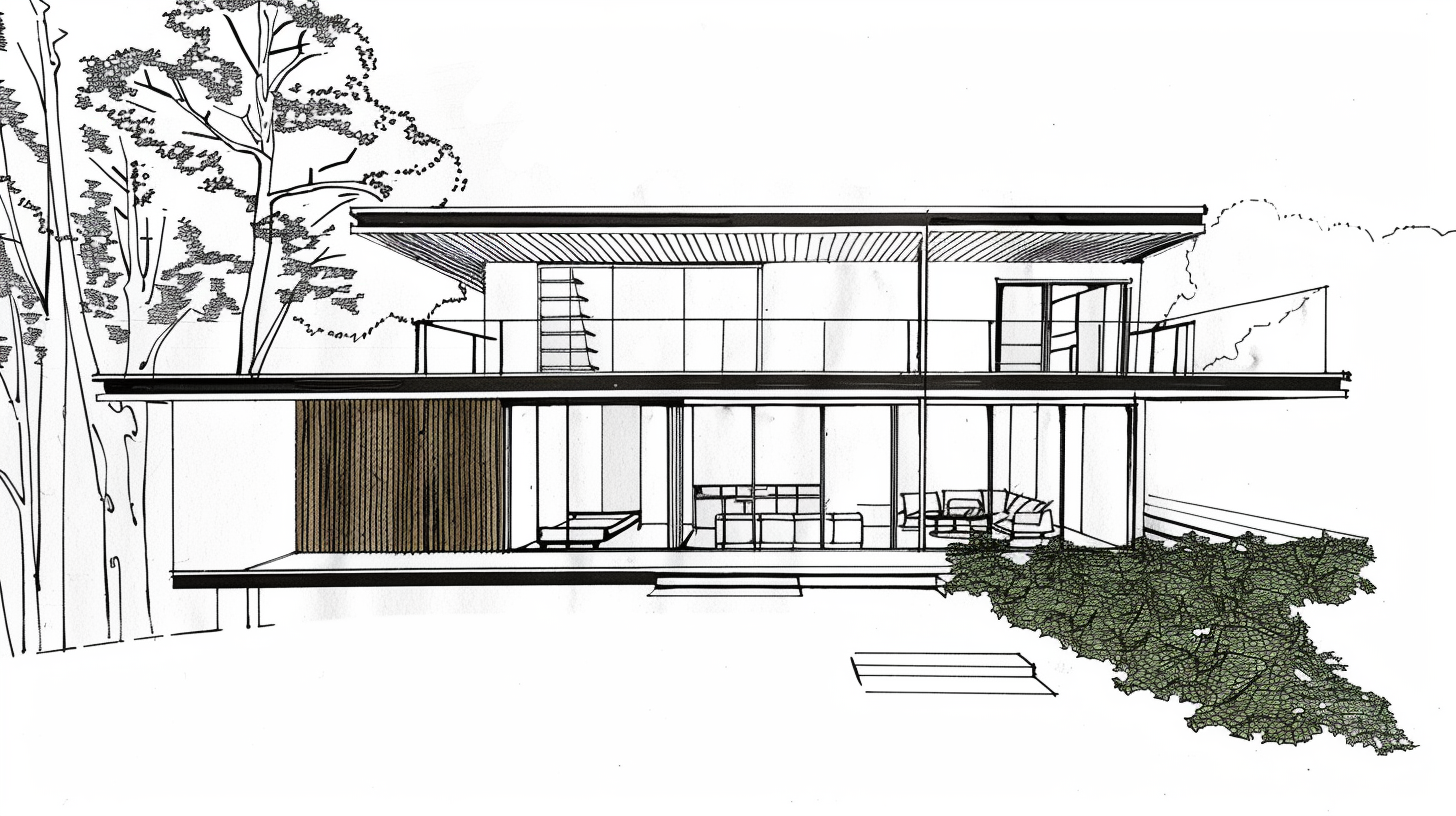
Designing for the Coast
Designing for Central Coast Character
The Central Coast has unique housing stock — weatherboard cottages, brick mid-century homes, and 70s/80s/90s brick homes. I'm passionate about preserving that character while making these homes work for modern families.
Why Preserve?
Most people think they need to knock down and rebuild. But good bones are rare. If your home has beautiful proportions, solid construction, or architectural character, it's usually worth keeping and reimagining.
Renovating well is also more sustainable than demolishing. You're not sending materials to landfill or starting from scratch with embodied carbon.
What I Look For
In cottages:
Original weatherboard or timber detailing
High ceilings and natural ventilation
Generous eaves and verandahs
Room proportions and window placement
In mid-century homes:
Clean lines and horizontal emphasis
Indoor-outdoor connection
Clever use of materials (brick, timber, glass)
Original built-in joinery
In 70s/80s/90s homes:
Solid brick construction
Good bones that just need a refresh
Potential for better connection to the backyard
Layouts that can be opened up to create flow
How I Approach Renovations
Keep what works. If the bones are good, build around them.
Rearrange what doesn't. Most layout problems can be solved without adding square metres.
Add thoughtfully. New additions should complement, not compete with, the original architecture.
Update everything else. Kitchens, bathrooms, services, insulation — all can be modernised while preserving character.
Open to the outdoors. Many 70s/80s/90s homes have disconnected backyards — adding bifold or sliding doors, decks, and better sightlines transforms how you live.
Challenging Sites? I Handle Those Too
Many Central Coast properties come with overlays — flood zones, bushfire areas, sloping blocks. I have experience navigating these requirements and can design for compliance without compromising aesthetics.
Flood-prone sites: Elevated living spaces, flood-resilient materials, smart drainage
Bushfire zones: BAL-compliant materials and detailing that don't look institutional
Sloping blocks: Split-level design that works with topography
Want to talk about your character home? Let's discuss what's worth keeping and what needs to change..